|
The boardroom as a battleground: Who holds the real power?
|
| |
|
Five years ago, I sat in a tense board meeting at a global hotel chain operator. The CEO, a seasoned industry leader, had just presented a growth strategy, but the board chair leaned back, unimpressed. “We need to be more aggressive,” he said. The finance director, clearly aligned with the chair, nodded in agreement. The CEO, sensing resistance, pushed back. “Our balance sheet can’t handle that level of risk.” A heavy silence filled the room. That’s when I saw it, but the real battle was in the boardroom.
Most people think boards are about polite discussions and strategic alignment. That’s a fairy tale. A real boardroom is a power struggle. Who runs the company? The CEO, the board, or the shadow forces in the background? It’s never as simple as the textbooks say. Read more >>
|
| |
|
“A crisis is not the time for leisurely governance. It is a time for structured, sharp, and proactive decision-making.” |
| |
|
Board’s responsibility for company culture: Is it a Myth or necessity?
|
| |
|
I sat in a boardroom of a hospitality industry company that had just lost its top three executives. They had all resigned within months of each other. The chairman, frustrated, said, “We are offering market salaries. Why are people leaving?” The board blamed HR, HR blamed the CEO, the CEO blamed the toxic work environment, and, of course, no one wanted to own the problem.
This is the usual script.
Boards want to believe that company culture is a management issue, something for the CEO to fix. But let me tell you the inconvenient truth, culture is a direct reflection of governance. If a company’s culture stinks, the boardroom isn’t just a spectator; it’s an accomplice. Read more >> |
| |
|
The board’s role in company crises, Leader or spectator?
|
| |
|
During a board meeting at a manufacturing firm, an urgent crisis landed squarely on the table. A major supplier had defaulted, paralyzing production. The CEO looked around, expecting guidance and half the board members sat back, waiting for management to “handle it.” The other half started dissecting the issue, arguing over who should have seen it coming. Meanwhile, time was bleeding and the company was hemorrhaging cash.
Too many boards mistake their oversight role for passive observation.
They believe crises are management’s problem, not theirs until, of course, the damage reaches a point where fingers start pointing. That’s when the boardroom turns into a battleground of hindsight wisdom. This is a useless approach. Read more >> |
| |
|
Join me live at the Exclusive Leadership Talk!
Register Here
Many years ago, in Munteme village, my grandmother had a simple rule, if the kitchen smelled bad, something was wrong. It didn’t matter how much we cleaned the floor; if the air carried the scent of something rotten, we had to find the source.
Culture in an organization works the same way. You don’t need a survey or fancy consultants to tell you something is off. Just walk into the office. Do people greet each other with energy or mumble half-hearted hellos? Does the air feel charged with purpose or weighed down by tension? You can see, hear, and even smell a company’s culture before anyone explains it. Read more >>
|
| |
|
So many consultants, but few can show you a wall of fame. Read our testimonials
|
| |
|
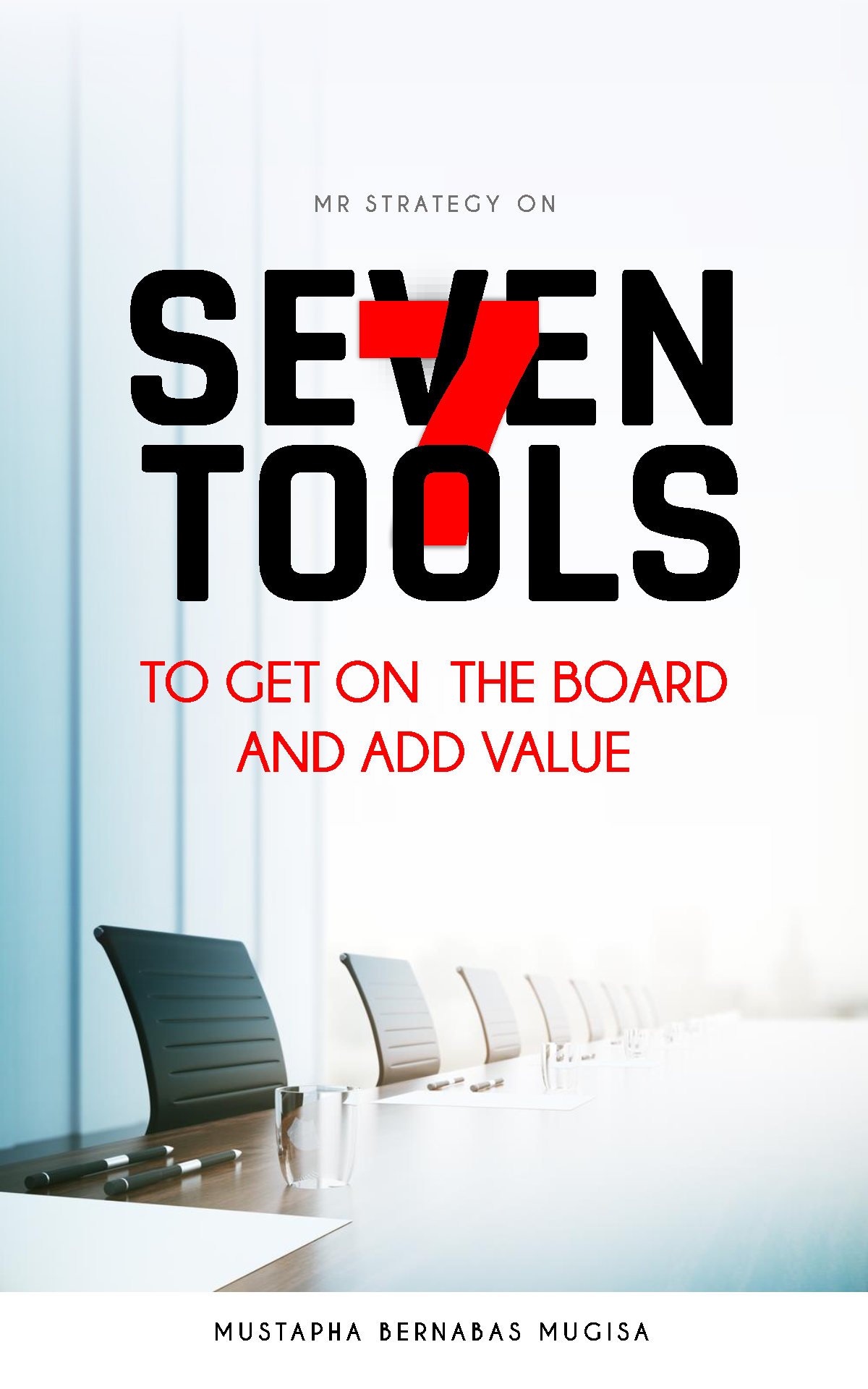
7 Tools to get on the board and add value
|
| |
|
This thought-provoking book offers an incisive examination of corporate governance from both a historical and contemporary point of view…I highly recommend it for your useful and sustainable leadership benefit” – Michael Mugabi, Former President, Institute of Corporate Governance of Uganda. |
| |
|