11th March 2025
Your strategy document is useless if no one understands it

Dear Reader,

Your strategy document is useless if no one understands it

Five years ago, I was brought in to help an insurance company in Kenya whose senior team was frustrated. They had a 50-page strategy document, filled with vision statements, market analysis, and performance targets. But there was one problem, nobody in the company understood it. Sales teams didn’t know how it applied to their targets, operations struggled to connect it to their daily work, and even some executives couldn't explain the priorities clearly. The strategy was a masterpiece on paper but a disaster in execution.

This is a common disease in many organizations. Leaders invest in beautifully written strategy documents, packed with industry jargon, complex frameworks, and abstract goals. They present them in boardrooms, then assume the organization will automatically translate them into action. The result? The document gathers dust, while employees continue doing what they were doing before. A strategy that people do not understand is as good as no strategy at all. Read more >>

"Blamers destroy accountability. When leaders refuse to take responsibility, teams learn to do the same."

Why your five-year plan is a joke (and what to do instead)

During a strategic direction validation meeting with the leadership team of a manufacturing company, the CEO proudly unveiled a five-year strategic plan, a beautifully bound document with pages filled with projections, market expansion targets, and digital transformation roadmaps.

 I flipped through it and asked, “What part of this plan do you expect to change in the next 12 months?” The room went silent. A few executives shifted uncomfortably. One finally spoke up: “Well, we hope not much changes.” I shook my head. “Then this is a fairy tale, not a strategy.”

I have seen this story play out over and over again in different industries. Read more >>

Is your strategic plan the right one? Let’s find out!

The executive team sat in silence. The CEO had just asked why a critical project was delayed. The operations director smiled. “We’re on track,” he said, even though everyone knew the project was stuck. The finance manager nodded in agreement, despite weeks of budget approvals being blocked. The head of sales, who had privately complained about lack of support, simply said, “We’re doing our best.”

This was classic passive-aggressive leadership. No open disagreement, no direct accountability, just vague commitments, quiet resistance, and hidden sabotage. On the surface, everyone seemed aligned. In reality, nothing was moving .Read more >>

The smell of culture

Many years ago, in Munteme village, my grandmother had a simple rule, if the kitchen smelled bad, something was wrong. It didn’t matter how much we cleaned the floor; if the air carried the scent of something rotten, we had to find the source.

Culture in an organization works the same way. You don’t need a survey or fancy consultants to tell you something is off. Just walk into the office. Do people greet each other with energy or mumble half-hearted hellos? Does the air feel charged with purpose or weighed down by tension? You can see, hear, and even smell a company’s culture before anyone explains it. Read more >>

So many consultants, but few can show you a wall of fame. Read our testimonials
';
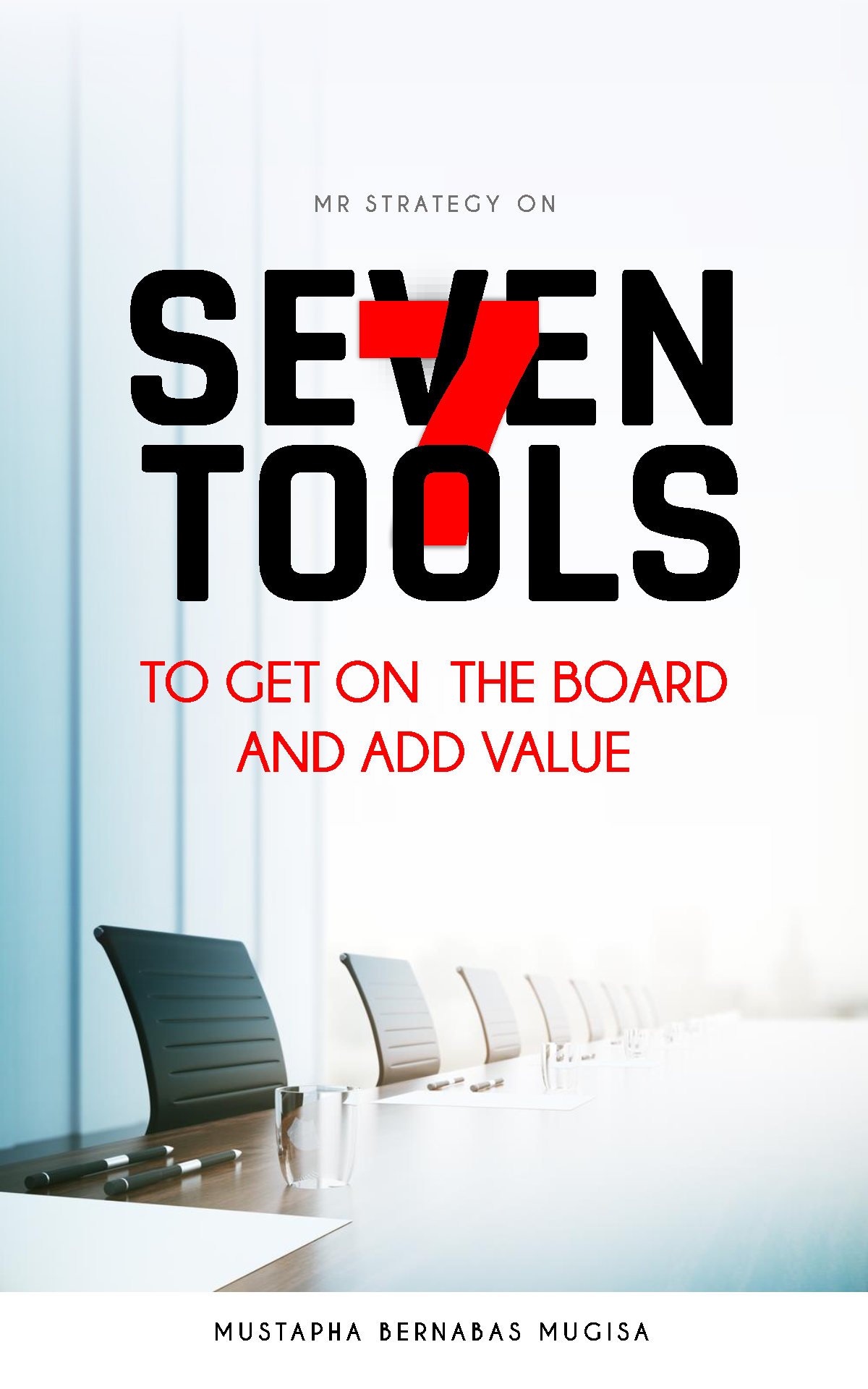
7 Tools to get on the board and add value

This thought-provoking book offers an incisive examination of corporate governance from both a historical and contemporary point of view…I highly recommend it for your useful and sustainable leadership benefit” – Michael Mugabi, Former President, Institute of Corporate Governance of Uganda.

';
Order a copy
Summit Consulting Ltd
Be transformed
facebook  twitter  linkedin  youtube  tiktok 
Unsubscribe   |   Manage your subscription   |   View online
Summit Consulting Ltd
Ntinda Complex , Level 4, Block B
All rights reserved