21st November 2024
The role of leadership in driving board effectiveness

In the boardroom of the local NGO, Sow the Seed, the elephant isn’t just in the room-it’s sitting at the head of the table. When trust plummets like the stock market on a bad day, you can bet weak leadership is steering that dive. Let’s dissect this, shall we?

I have been there and seen it all. Leadership isn’t just about keeping the ship steady as she goes. No, it’s about charting out clear, compelling courses that might even go against the tide. If the board’s effectiveness is the engine of an organization, leadership is the high-way fuel that drives it or brings it to a halt.

Here’s the kicker: at Sow the Seed, the board was seeing more turnover than a bakery. Why? Leadership-or rather, the lack of it. There’s nothing like a leadership vacuum to expose every crack in trust and every flaw in strategy.

Impact of Leadership on Board Performance

  1. Strategic Visioning

Good leaders don’t just plan; they inspire. They’re not regurgitating the same old ‘strategic initiatives’ but are brewing fresh, bold ideas that might make some board members need a stiff drink to consider. But here’s the thing-these ideas work. They push boundaries and set the organization apart in a sea of sameness.

  1. Culture Crafting

You can smell the culture of a boardroom the moment you walk in. Is it vibrant, buzzing with debate and innovation, or does it remind you of a morgue? Leadership defines this. When leaders falter, you can bet the culture sours. At Sow the Seed, a culture of fear and silence had stifled innovation, turning board meetings into snooze-fests rather than brainstorming sessions. Read more

';
Register now

A board that resists change risks irrelevance. True leadership is embracing feedback, fostering innovation, and guiding the organization boldly into the future

Mustapha .B Mugisa- Mr.Strategy

Turning criticism into catalysts for success
';

In my experience as a board member, I’ve seen firsthand how dismissing critical feedback can be disastrous, particularly when innovation is on the line. Picture a board so entrenched in its ways that even the slightest suggestion for change is viewed as a personal affront. This attitude doesn’t just limit productivity; it suffocates it, turning the boardroom into a stagnation chamber.

Assess all feedback, and act

When we ignore critical feedback, we’re essentially blindfolding ourselves. We miss out on potential innovations that could propel our company ahead or keep it competitive. At one point, our defensive stance was so pronounced that it began to tarnish our reputation. We became known as a company resistant to change, which made us less appealing to dynamic investors and sharp, forward-thinking talent.

We also fell into the trap of becoming an echo chamber, endlessly recycling outdated strategies that were no longer effective in our rapidly evolving industry.

To shift away from this destructive path, we had to cultivate an environment where feedback was not just tolerated but valued as a growth catalyst. We set up clear protocols for feedback, initiating regular ‘innovation sessions’ where new ideas could be aired without immediate critique and ‘retrospective meetings’ to dissect what we could improve on from past initiatives. Read more

Adaptability is not imitation. It means the power of resistance and assimilation

Mahatma Gandhi 

Focusing on what matters most at the board level
';

The red ocean isn’t just crowded-it’s bloody. Competing on the same turf, with the same rules, against entrenched players, is the fastest way to bleed your brand dry. So, what do you do when the space around you feels tighter than a rush-hour commute? Simple: don’t fight harder; fight smarter.

The red ocean isn’t just crowded-it’s bloody. Competing on the same turf, with the same rules, against entrenched players, is the fastest way to bleed your brand dry. So, what do you do when the space around you feels tighter than a rush-hour commute? Simple: don’t fight harder; fight smarter.

So, what’s the lesson here?

Competing head-on in a saturated market-the proverbial red ocean-leaves you vulnerable. It’s predictable, reactionary, and worst of all, forgettable. BMW didn’t win the battle by playing on the same level. They redefined the playing field.

Escaping the Red Ocean

Here’s the reality, if you’re locked in a never-ending slugfest with competitors over price, features, or distribution, you’re not innovating. You’re surviving. And survival isn’t a strategy-it’s a death sentence with a long timeline. Read more

So many consultants, but few can show you a wall of fame. Read our testimonials
';
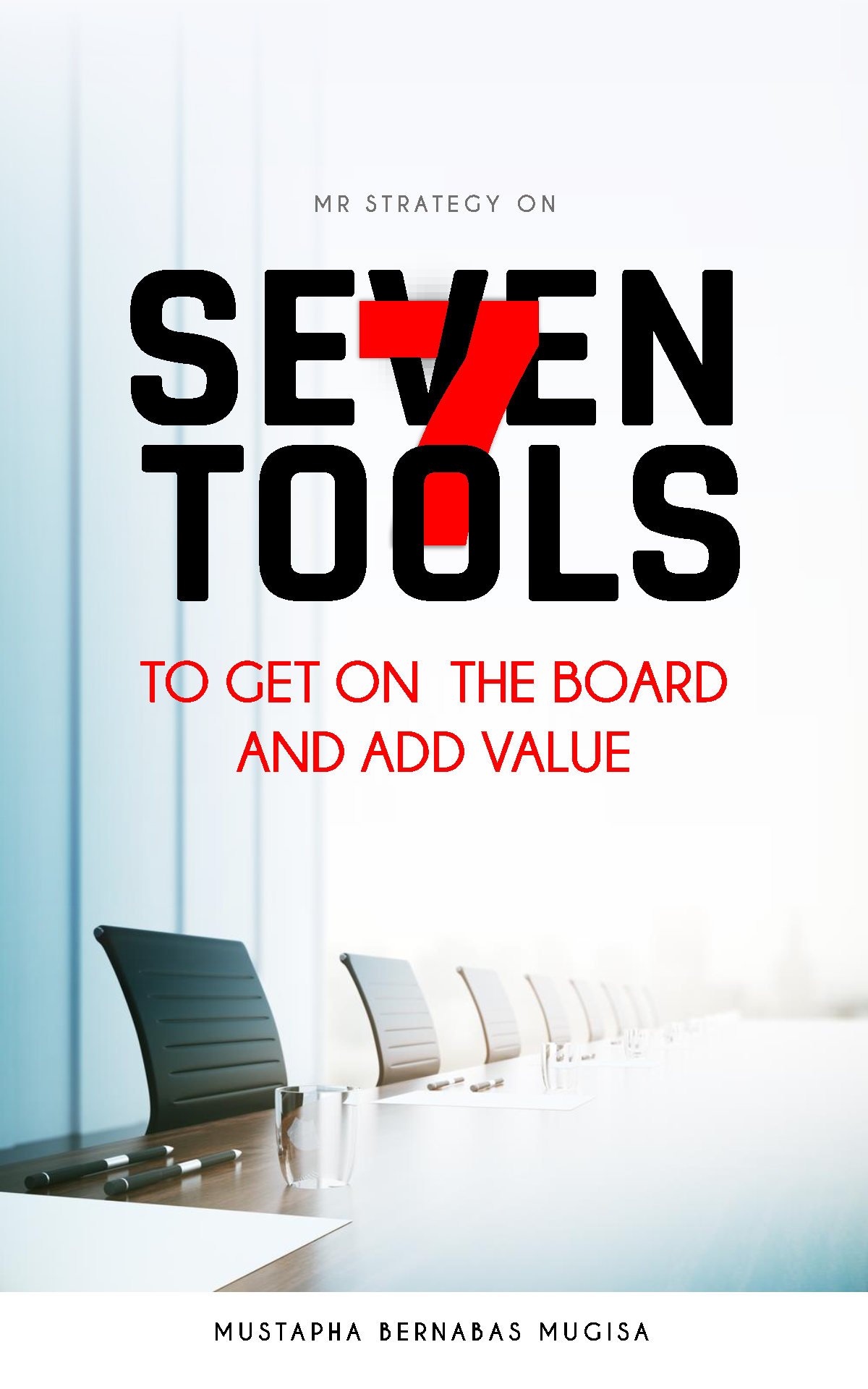
7 Tools to get on the board and add value

This thought-provoking book offers an incisive examination of corporate governance from both a historical and contemporary point of view…I highly recommend it for your useful and sustainable leadership benefit” – Michael Mugabi, Former President, Institute of Corporate Governance of Uganda.

';
Order a copy
Summit Consulting Ltd
Be transformed
facebook  twitter  linkedin  youtube  tiktok 
Unsubscribe   |   Manage your subscription   |   View online
Summit Consulting Ltd
Ntinda Complex , Level 4, Block B
All rights reserved